September 7, 2025
Children don’t always have the words to describe how they feel. Sadness, anger, fear, or even excitement can come out in ways that don’t make sense to adults at first. That’s where play therapy becomes such a powerful approach. It gives kids the space and tools they need to communicate, even when talking is hard. Through play, they show what’s happening inside using toys, stories, or simple actions that say a lot without needing to say a thing.
Play therapy gives children the chance to lead. That sense of control lowers their stress and helps them feel safe as they explore emotions they might not fully understand yet. For parents and caregivers in Addison seeking to understand their child’s behavior better, learning how children express feelings through this kind of therapy can provide clarity and hope. It’s not just about having fun. It’s about helping kids heal, grow, and feel heard.
Why Play Therapy Works
Play therapy meets kids at their level. Most adults lean on conversations to work through their feelings. But children, especially younger ones, depend more on actions than words. When something feels confusing or overwhelming, they play it out. That’s why offering them a space to do just that in a focused and supportive way makes such a big difference.
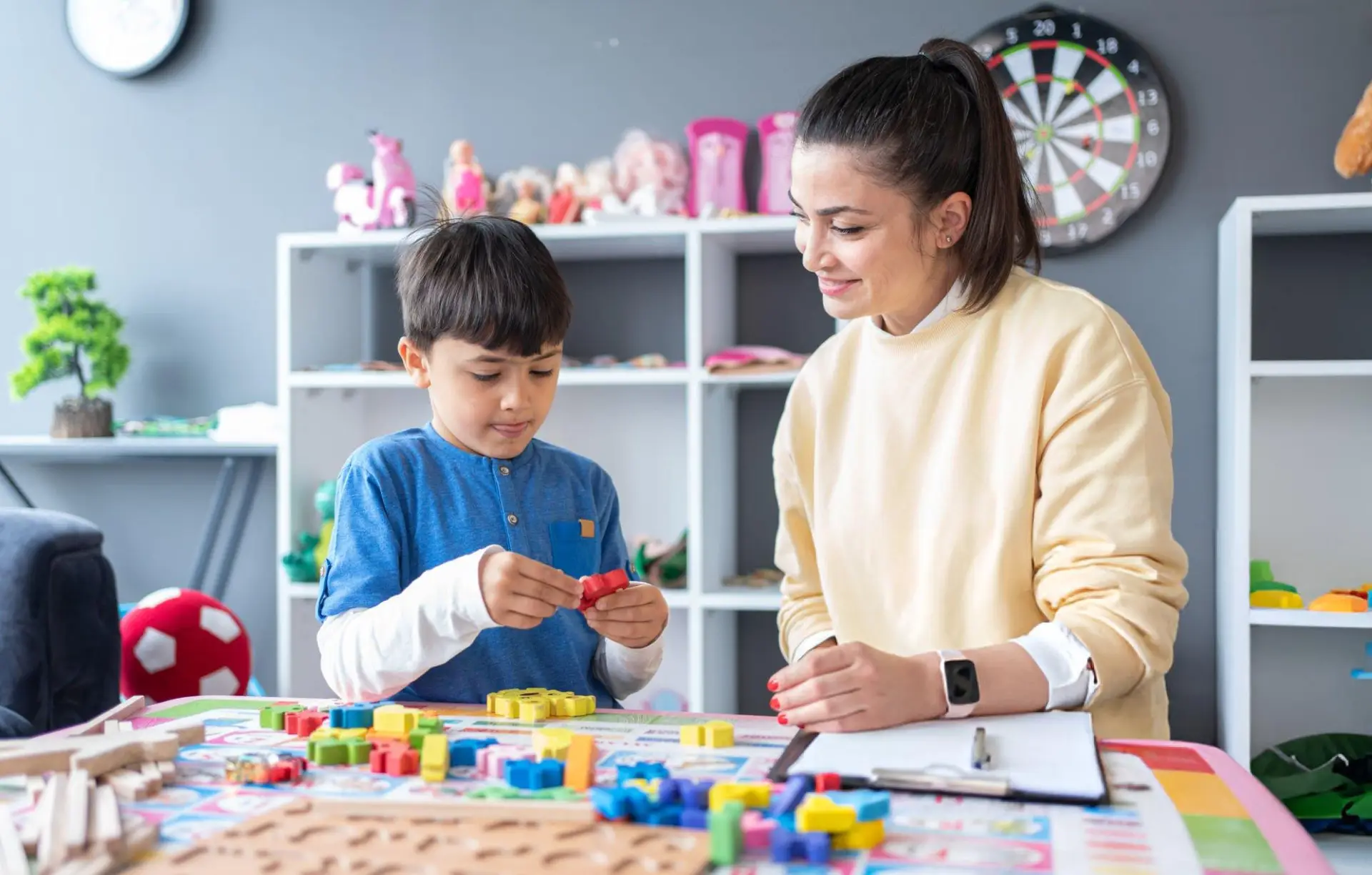
So what exactly is play therapy? It’s a type of counseling where therapists use guided play to help kids express emotions, process past events, or work through worries. Sessions are usually built around the child’s choices. They might pick up a dollhouse, paint a picture, or make something with blocks. The therapist watches closely and sometimes joins in, using the play to understand what the child might be feeling or trying to say.
Play gives kids a chance to:
– Express feelings without having to explain them
– Work through events they may not fully understand
– Explore fear, sadness, or frustration in a safe way
– Build trust with another adult in a supportive setting
Let’s say a child has been through a recent move. They might not come out and say, “I miss my old home.” But they could show it by pretending that toy figures are packing up and moving away, or that a doll cries when her friend leaves. Through these small scenes, they’re showing how they feel about the change.
Over time, regular play therapy sessions help children relax. The repeat routine of coming back to a space where their emotional world is accepted, without pressure, builds confidence in themselves. Even kids who struggle to speak or sit still for long often find comfort in play, since it feels natural and familiar to them.
Ways Children Express Emotions in Play Therapy
Children use all sorts of play styles to work through their feelings. Each method opens a door into what’s going on inside, and understanding the types of play can help parents and caregivers get a clearer picture of their child’s emotional health.
Here are a few common ways kids show emotions during play therapy:
1. Pretend Play
This is where a child might create stories with dolls, action figures, or animal toys. They might act out family situations, fears, or things they’ve seen. If a child keeps playing out a fight between characters, it could mean they’re feeling tension at home or school.
2. Art and Drawing
Sometimes emotions come out better through colors and shapes. A child who can’t put their sadness into words might show it through darker colors or stormy pictures. On the flip side, bright, sunny artwork can reflect joy or peace. Therapists might ask open-ended questions gently, like “What’s happening here?” to let the child explain in their own way.
3. Building or Sand Play
Puzzles, blocks, or sand trays give children structure while still allowing freedom. Kids might build safe spaces or bury figures in the sand to show fear, anger, or confusion. These settings are especially helpful for kids who like order or need a way to direct their energy while working through feelings.
4. Games
Board games or card games with a therapist’s guidance let kids practice emotional control, patience, or problem-solving. Losing a game gives a chance to talk about frustration or disappointment, while winning can bring up feelings around pride or fairness.
Even when the play might seem simple on the surface, these activities offer rich insight into how a child is feeling. All of this happens in a space where the child sets the pace. There’s no wrong way to play, which helps kids open up at their own speed.
Benefits Of Play Therapy For Emotional Expression
Over time, play therapy can foster significant growth in how kids understand and manage their emotions. The space created during sessions isn’t about fixing behavior right away. It’s about helping each child feel safe, seen, and supported so they can better handle their inner world.
Here’s what often begins to change as play therapy continues:
– Broader emotional vocabulary
Kids may start naming emotions in clearer ways. At first, they might say they’re mad or sad. But through guided play, they get more comfortable sharing if they feel left out, scared, or frustrated.
– Stronger communication
Play therapy encourages back-and-forth interaction in a low-pressure way. Over time, children often start taking that learning outside the session into their relationships with family or classmates.
– Better coping skills
By repeating their emotional stories through play, children learn how to respond to tough feelings without melting down or giving up. This doesn’t happen overnight, but once it clicks, it sticks.
– Improved self-esteem
Kids feel proud when they build something, solve a conflict through play, or finish a story they started. These small confidence boosts build emotional strength piece by piece.
– Increased trust
Having a positive relationship with a counselor teaches kids that safe adults can be allies. That lesson often spreads into their other interactions, whether it’s in school, church, or at home.
These benefits don’t always show up right away and can be different for every child. Still, many parents notice subtle shifts in how their child responds to situations once they’ve had some time to process emotions in their own way. Whether it’s fewer tantrums or more thoughtful questions, the signs of progress are worth paying attention to.
How Parents Can Support Play Therapy At Home
Therapy sessions are helpful, but a child’s growth continues all week long. When parents play an active role and give their kids a supportive place to keep exploring emotions, the work done in therapy gets even stronger. It doesn’t take fancy supplies or long talk sessions, just patience and space.
Here are some low-pressure ways families can reinforce play therapy at home:
1. Create regular playtime
Even 15 to 20 minutes of dedicated, distraction-free play can teach your child that you’re present and willing to listen. Let your child lead the activity and resist the urge to correct or guide the play.
2. Use simple tools
Keep toys and materials like crayons, toy figures, building blocks, puppets, or modeling clay within reach. These give kids the freedom to act out stories, emotions, or situations that are on their minds.
3. Practice storytelling together
You can make up bedtime stories with your child about imaginary characters who are facing different situations. As they fill in details, you get a glimpse into their fears, hopes, or dreams without having to ask directly.
4. Watch for patterns
If your child repeatedly plays a particular game or theme, take note. While you don’t need to ask too many questions, subtle repetition can tell you what issues they’re starting to process.
5. Be a calm listener
Your child might say strange or sad things while they’re playing or drawing. Hold space for those big feelings without jumping into advice or correction. A quiet “I see” or “Tell me more about that” goes a long way.
The key is to make home a judgment-free zone. When kids feel like their feelings have a place outside of therapy too, they’re more likely to stay open, honest, and creative.
Embracing the Power of Play
Understanding a child’s emotions can sometimes feel like trying to read a book with missing pages. Play therapy helps fill in those gaps, offering insight adults may not get otherwise. Whether it’s through messy drawings or dramatic stories using stuffed animals, these moments are real forms of communication.
Parents working together with therapists and taking time at home to play, listen, and connect create a strong foundation for their child. It’s not about being a perfect parent. It’s about showing up with curiosity, patience, and heart. In a safe and comfortable space, kids learn that their feelings have names, their voices matter, and they’re never too small to be understood.
Oak Tree Counseling and Wellness is here to offer continued support through our diverse therapeutic services. Discover how play therapy in Addison, Texas, can help children grow emotionally and explore new paths. Let’s work together to ensure your child’s feelings and thoughts are valued, helping them thrive in their own unique way. Reach out to us today to learn more about our services.