November 16, 2025
Kids don’t always have the words to explain how they’re feeling. When they’re upset, scared, or confused, it often comes out in behavior, not conversations. This is why play therapy can be a gentle and effective way for children to express what’s going on inside. Through play, they can explore thoughts and emotions at their own pace, without needing to explain everything out loud.
For families in Addison, Texas, this kind of approach can feel especially helpful as the school year moves into late fall. Kids might start acting more withdrawn, restless, or unusually emotional as routines wear on and changes set in. Play therapy gives children a place to feel heard, especially those who freeze up or shut down when asked, “What’s wrong?” It does more than just fill an hour with toys. It gives kids a safe and meaningful space to be themselves.
What Is Play Therapy?
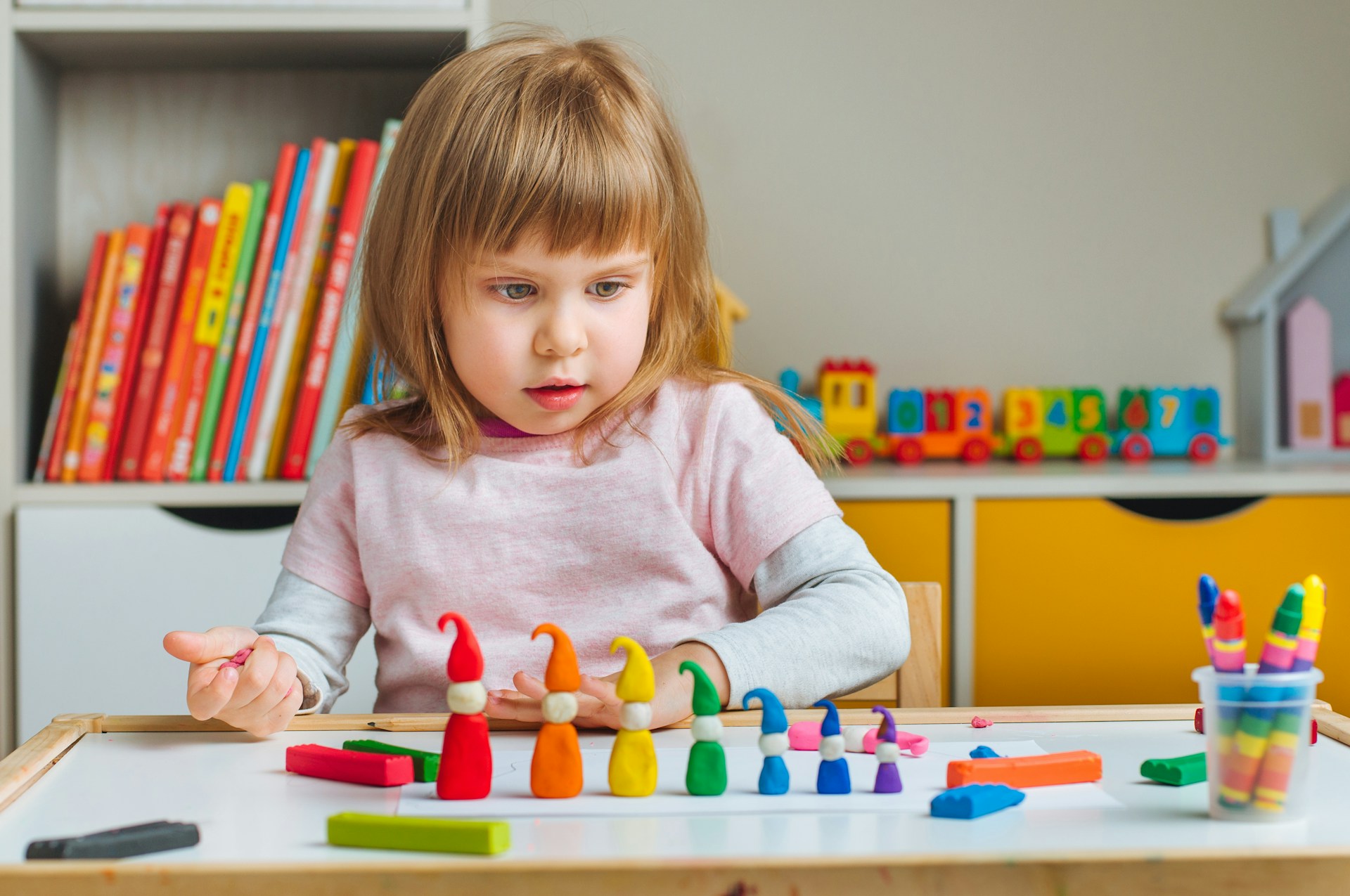
Play therapy is a way for children to work through emotions using the language they know best: play. Unlike traditional talk therapy, which focuses on conversation, play therapy gives children familiar tools like toys, games, puzzles, and creative materials. These aren’t just distractions. They’re ways for trained therapists to help the child express and explore deep feelings, memories, and struggles.
The main idea behind play therapy is that play gives children power. It puts them in charge of their emotional story without forcing them to say things before they’re ready. When a child plays with dolls, builds something out of blocks, or plays a make-believe game, they’re not just having fun. They’re showing how they see the world and themselves. This can be especially helpful for children who feel overwhelmed or stuck and might not even know how to describe what they’re feeling.
The therapist’s role isn’t to control the play, but to guide it in a therapeutic direction. That means they watch, listen, and gently interact to pick up on conflicts, fears, or themes that come up over time. It also builds trust, which is something that may take several sessions, especially for kids who have experienced stress or trauma.
Children might not always remember what they said during a session, but they’ll often leave feeling calmer and more in control. The goal isn’t to push for quick answers. It’s to let healing and understanding unfold in a space where the child feels accepted and seen.
Techniques Used In Play Therapy
Therapists don’t rely on one-size-fits-all tools. Many use a mix of techniques that are flexible yet focused. Here are four common play therapy methods that help children open up:
– Sandbox Play: When a child uses a small sandbox filled with figures, trees, vehicles, or buildings, they’re not just making a scene. They’re building a story. Therapists watch how the child arranges these items, noticing themes like conflict, safety, or control. Over time, their choices reveal what they might be dealing with, and it can also give them a sense of control they may not feel outside of session.
– Art-Based Play: Drawing, coloring, or painting helps children who have a hard time talking about their feelings. A child might draw themselves as a superhero one week and a sad animal the next. These images give the therapist insight into how they view themselves and their place in the world. Activities aren’t judged on artistic skill. They’re a doorway into the child’s emotional life.
– Role-Playing or Dramatic Play: Children often act out real-life or imagined scenarios using costumes, dolls, or pretend play. This gives them a “safe distance” to share feelings. For example, a child might pretend they’re the teacher and take control of a classroom to explore feelings of power or frustration from school. Role-play can help them gain confidence, experiment with solutions, or work through scary events.
– Storytelling: Some therapists ask the child to finish a story or make one up. Often, the characters represent important people or problems in their life. By telling what happens next, the child can show what they hope for or fear. This helps the therapist support them in finding new ways to cope or reframe an upsetting memory.
Each of these techniques works differently depending on the child. One child might feel most comfortable with drawing, while another needs a sandbox to work things out. The therapist pays attention not just to what tools the child picks, but how they use them over time. One example is a 7-year-old boy who always insisted on building traps during sandbox time. At first, it just looked like creative play. But over several weeks, his stories showed that the traps were about keeping others out. As trust grew, the play changed, and later so did his ability to talk about his fears at home and school.
The Benefits Of Play Therapy
When children are given a safe space to explore their emotions, they often begin to express feelings they didn’t realize they had. Through play, they can process moments that felt confusing or painful, sometimes without needing to say a word. Play therapy helps with emotional expression because it lowers the pressure and removes the fear of saying something wrong. Kids are more likely to open up when they can do it in a style that feels natural to them.
Beyond expressing emotions, play therapy helps kids think through problems. Whether it’s how to react when someone is mean at school or how to manage ongoing feelings of sadness or anger, play often becomes the practice ground. They get to try out ideas, test consequences, and make choices in a space where nothing bad can actually happen. Children who engage in regular play therapy often show more flexible thinking and are better at weighing options over time.
Another major benefit is how it builds trust between the therapist and the child. For kids who have encountered instability, whether from trauma, family changes, or anxiety, just having a steady adult who shows up and listens without judgment helps a lot. This connection becomes the base from which healing begins.
Play therapy also teaches coping mechanisms that can move with the child into everyday life. Through routine sessions, therapists introduce and reinforce calming practices, ways to redirect anger, or language for asking for help. Over time, children begin to use these tools outside of the therapy room. For example, one girl started bringing a glitter jar home after learning about it during a session. It became something she reached for during stressful moments, both at home and at school.
Here’s a quick breakdown of how children benefit through play therapy:
– Express feelings without needing to explain everything verbally
– Strengthen their ability to problem-solve
– Build a consistent sense of safety and trust with another adult
– Learn useful tools for handling stress, change, or frustration
– Gain confidence in managing their emotions and reactions
How Oak Tree Counseling And Wellness Can Help
Oak Tree Counseling and Wellness brings a thoughtful and supportive approach to play therapy for children in Addison, Texas. Each child is different. That’s why their therapy sessions are designed around what will feel safest and most effective for that child’s unique needs. Play therapy isn’t just about toys. It’s about building understanding, trust, and the tools needed to grow emotionally.
What makes their services stand out is the way they combine trauma-informed practices with a calm and caring environment. Whether a child is struggling with anxiety, acting out after a big life change, or grappling with something deeper, the therapists focus on creating space where the child feels truly seen and heard.
Sessions can take place in person in Addison or virtually for families in the Dallas/Fort Worth area. This makes it easier to maintain continuity even if schedules shift or a family moves to remote schooling. For kids, consistency really matters. Knowing they have a familiar therapist to talk and play with each week can go a long way in building that emotional foundation.
Oak Tree Counseling and Wellness also integrates faith-based support where appropriate, helping families who are looking for that option. It extends the care beyond just coping skills and helps root healing in something deeper for those who value that approach.
Helping Your Child Move Forward with Confidence
Kids are always growing, and that includes emotionally. Play therapy gives them a place to practice the skills they need to handle life’s challenges in a healthy way. Whether your child is shy, angry, scared, or just overwhelmed, these sessions can help them feel more secure in both what they feel and how to process it.
When emotional struggles are left unspoken, they often show up in behavior. Through consistent support and guidance, play therapy helps those emotions come out in ways that lead to healing and growth. It’s not about rushing kids to open up. It’s about giving them a place where they don’t need to hide.
Families in Addison looking for extra help during tough seasons, like the shift into the fall and winter months, may find play therapy to be a meaningful option. It offers both short-term relief and long-term benefits that can support your child for years to come. Whether it’s small progress like better listening or big changes in confidence and safety, every step matters. And with the right support, progress happens.
To help your child navigate their emotions and develop the skills needed to thrive, consider the supportive approach offered at Oak Tree Counseling and Wellness. Learn more about how our play therapy services can provide a safe and nurturing environment for emotional growth and healing.