
September 1, 2025
Feeling a disconnect between how you think and how you feel is a common experience. Sometimes the mind goes one way, while the spirit pulls in another direction, leaving you unsure which to follow. That tension can manifest in your relationships, sleep patterns, outlook on the future, or even how you manage day-to-day stress. You might try to think your way through these moments, but your thoughts can loop and spiral without giving you absolute peace.
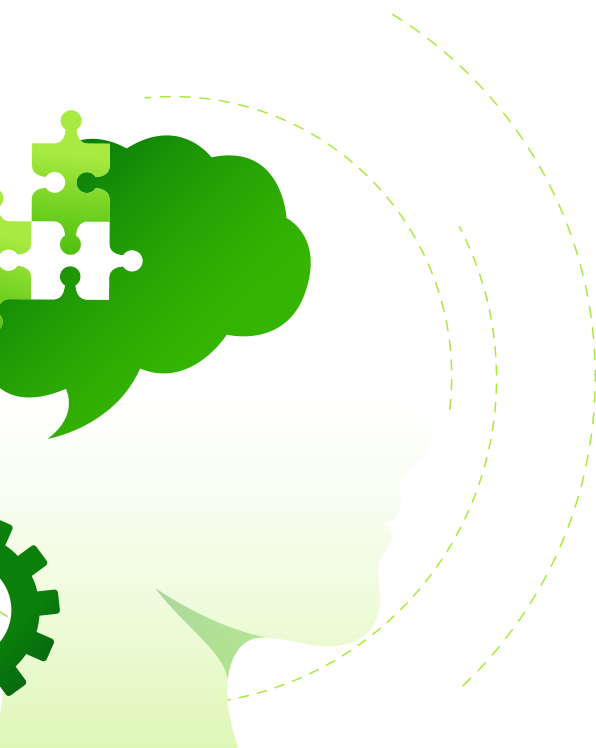
Inner wellness often starts by slowing down and checking in with both your thoughts and what’s happening deep inside. That’s where connecting the mind and spirit comes in. When they’re in sync, you feel more grounded, more focused, and more at peace, even when life is tough. Spiritual therapy provides a means to explore this connection and utilize it to achieve a more balanced life.
The Connection Between Mind and Spirit
The way your mind and spirit interact affects how you move through the world. If your thoughts are full of doubt but your inner self is seeking peace, that gap can cause emotional strain. On the other hand, when your thoughts and your more profound sense of purpose work together, you’re more likely to feel stable and supported even when things don’t go as planned.
Think of your mind as the part of you that processes, plans, and reacts. It solves problems, holds memories, and keeps you on track. Your spirit deals more with meaning, values, hope, and connection. When both are aligned, you may feel more at ease in relationships, more confident in your decisions, and less trapped in what-ifs.
In practice, this connection can look like:
– Taking quiet time each day to reflect or pray so your thoughts don’t take over
– Letting your decisions rest not just on logic but on what feels right in your core
– Giving space to grief, joy, or confusion rather than pushing your feelings aside
– Being mindful of your breath and body so that stress doesn’t rule over your choices
These choices support your mental health while honoring what your spirit needs to feel steady and whole. When they’re out of sync, it can feel like you’re putting on a mask during the day and falling apart at night. Building that bridge between what you think and what you genuinely believe is one way to start feeling more like yourself, all the way through.
Benefits Of Spiritual Therapy
Spiritual therapy helps you untangle what’s going on in your mind and why specific thoughts keep showing up. But it doesn’t stop there. It also gives you space to look at what your spirit needs, especially when life feels heavy or directionless. When you’re supported on both levels, healing feels less like a puzzle and more like a steady path forward.
Here are some ways spiritual therapy can help:
– Calms anxious thoughts by connecting them to bigger-picture meaning
– Helps break free from patterns that make you feel stuck or drained
– Builds resilience by tapping into your spiritual beliefs or values
– Encourages emotional growth that includes both thinking and feeling
Imagine someone going through a life transition, like the loss of a parent or a significant career change. Even if they’ve been in therapy before, this type of shift can throw everything off—sleep, energy, goals, even faith. Spiritual treatment doesn’t just ask, “What’s wrong?” It also asks, “What’s missing?” and “Where do you find strength?” That deeper reflection often allows people to carry their pain differently, one that slowly makes room for clarity, connection, and healing.
One of the biggest strengths of spiritual therapy is that it treats each person as a whole being. You’re not just a brain that needs rewiring or feelings to manage, you’re a whole person whose thoughts, beliefs, and inner longings deserve attention. That balance is what creates the most long-lasting change.
Techniques Used In Spiritual Therapy
Spiritual therapy doesn’t follow a one-size-fits-all approach. It’s shaped around the individual—what they believe in, how they process emotions, and how they connect with themselves and the world around them. The practices used in spiritual therapy aim to bring both calmness and clarity. Some may be familiar, while others might be a new experience, but each one is used with care to support the healing process.
Here are a few core techniques often used in spiritual therapy:
– Meditation and breathwork: These quiet practices help slow your thoughts and center your focus. Over time, they make it easier to respond calmly to stress rather than react out of habit
– Grounding exercises: Techniques like walking barefoot outdoors or using sensory focus help you feel more secure and connected in your body. These are often helpful when handling anxiety or feeling overwhelmed
– Prayer or reflective silence: For those with faith, prayer can be one of the strongest ways to connect with inner peace. For others, silent reflection or intention setting offers similar benefits
– Spiritual journaling: Writing about personal beliefs, life purpose, or emotional pain can help you untangle dense thoughts and find a rhythm in your healing process
– Visualization: Guided imagery or creative expression through art can make it easier to explore hopes, fears, or memories that are too difficult to describe with words
These practices are often combined with traditional therapeutic tools to create a comprehensive picture of emotional and spiritual care. For example, someone might start a session with grounding exercises, then discuss painful emotions such as guilt or sadness, and conclude with quiet reflection. This layered process tends to leave people feeling seen on every level, not just heard or analyzed.
Finding Balance in Everyday Life
Bringing harmony to your mind and spirit isn’t limited to therapy sessions. The work continues once you leave the room or log off that call. Finding small ways to stay balanced throughout the day helps the things learned during therapy take root in real life. This creates lasting change, building one choice at a time.
Here are some daily habits that can help you keep that connection going:
1. Start your morning on purpose
Instead of jumping into emails or stressing the moment you wake up, take 5–10 minutes for quiet. You can stretch, breathe deeply, or say a short prayer or affirmation that sets a kind tone for your day.
2. Check in with yourself midday
Ask yourself how you’re feeling, not just physically, but emotionally and spiritually. A short walk, a sip of tea, or a focused pause can help bring your energy back into alignment.
3. End the day with gratitude
Write down one or two things you feel thankful for before bed. It doesn’t need to be big. Even noticing a kind word from a friend or a moment of calm counts
4. Connect with nature when possible
Even in a place like Addison, where life gets busy, taking a step outside or sitting by a window can help reset your nervous system and remind you of something bigger than your to-do list
5. Give yourself room to be human
You won’t always feel balanced, and that’s fine. What matters more is learning to notice when things feel off and taking small steps to come back to center
The key is consistency, not perfection. These little check-ins serve as reminders that your mental and spiritual health are interconnected every day, not just during challenging times.
A New Way to Feel Whole
Building a connection between your mind and spirit isn’t just about healing what’s broken; it’s about cultivating a deeper understanding of yourself. It’s about knowing yourself better and treating yourself with more care. When you’re able to balance your thoughts with your more profound sense of meaning, life usually feels less scattered and more manageable, even as it stays unpredictable.
Spiritual therapy can guide that process, but the real journey is yours. It’s about slowing down, turning inward, and choosing your next step with both your head and your heart. These changes might start small, but they add up. Over time, they shape how you present yourself to others. And that’s when real inner wellness starts to grow.
If you’re ready to feel more grounded and peaceful, exploring spiritual therapy could be a meaningful step. At Oak Tree Counseling and Wellness, we’re here to walk alongside you as you build a stronger connection with yourself. Let’s take that next step together.